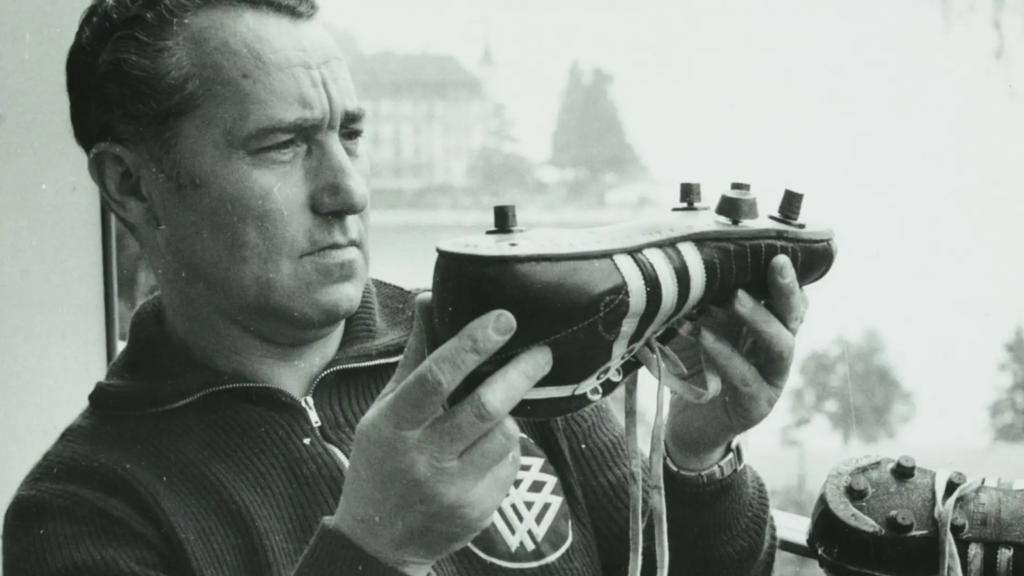
In 1954, Adi Dassler stepped onto the pitch before the players themselves.
The founder of Adidas convinced the Germans to wear his screw-in-stud boots on a muddy field in Switzerland… and West Germany won the World Cup.
At that moment, Dassler was helping build a national identity that was still recovering from the post-war period.
Since then, it has become impossible to say precisely: did Adidas grow with Germany, or did Germany win with Adidas?
Seven decades of shared DNA
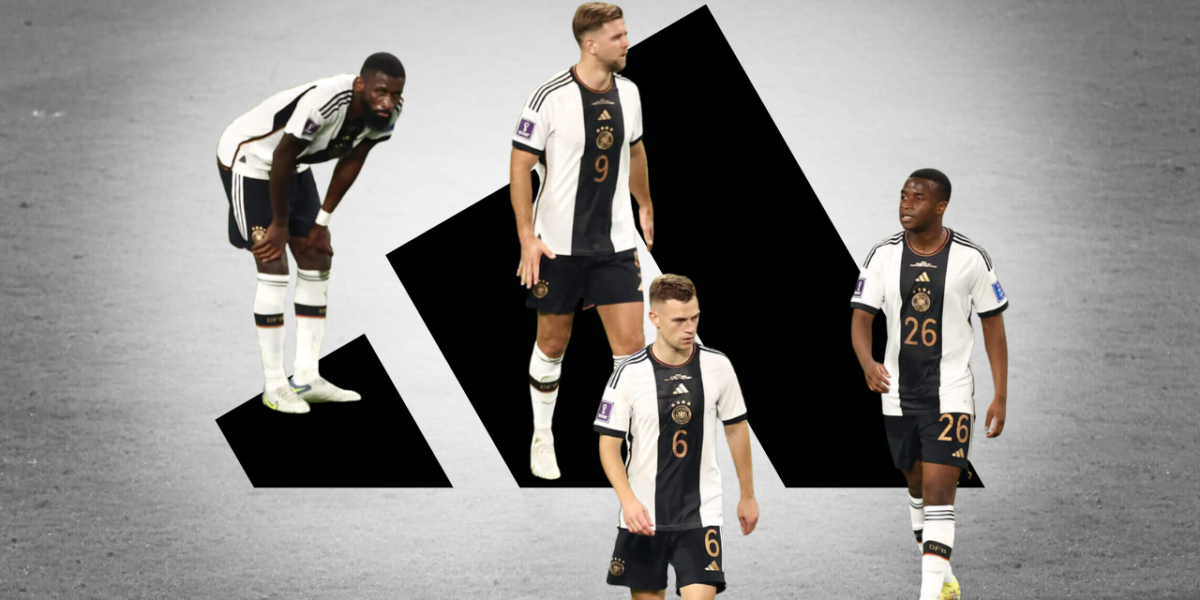
For more than 70 years, the three stripes were present in every title, every defeat, and every generation of German idols. Beckenbauer, Neuer, Müller, Klinsmann, Kahn, Klose — all wore the brand.
Adidas wasn’t just a supplier to the German national team; it was part of the national imagination, as recognizable as the black, red, and gold of the flag.
The executioner has a name: money
The “betrayal” came with financial justification. Nike offered €100 million per year — double what Adidas was paying.
The German Football Association accepted, justified the decision with technical and financial criteria, and ended 73 years of history with the coldness of a corporate statement.
It’s hard to condemn the decision on rational grounds: federations have obligations, grassroots football needs investment, and money is money. But it’s just as hard not to feel that something genuine was sold — not by Adidas, but by Germany itself.
The egg and the chicken, now separated
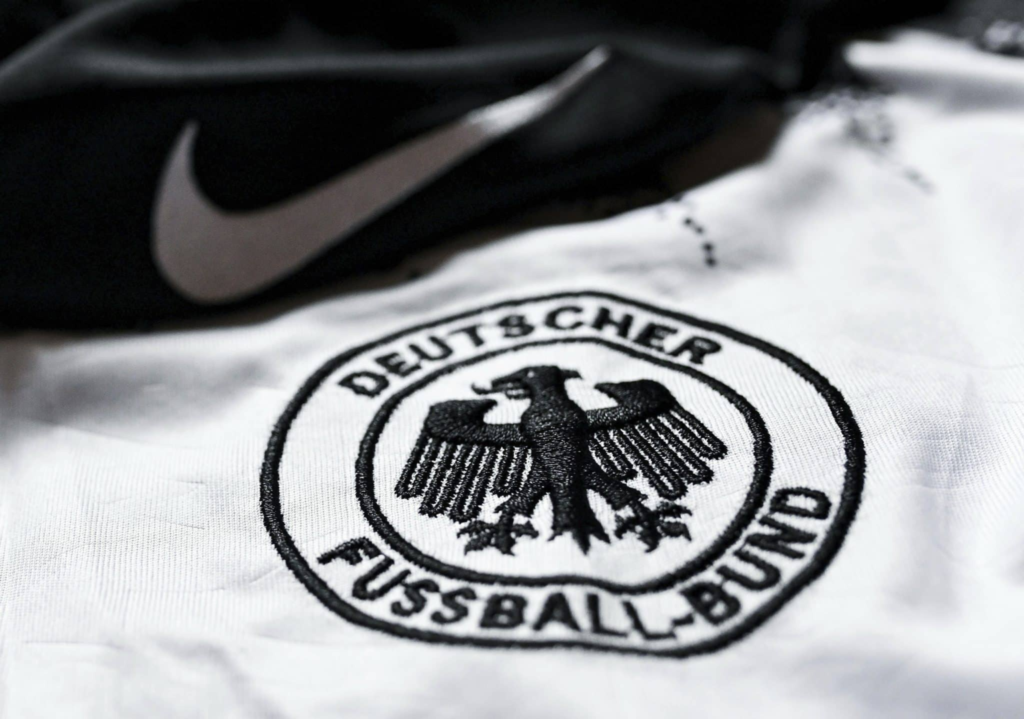
There is no clear answer as to who depended more on whom. And it is precisely that ambiguity that makes the separation so unsettling.
Nike is a powerful, global, competent brand. But it wasn’t there in 1954. It didn’t step on that muddy pitch. It didn’t share a national identity at a moment of reconstruction. Starting in 2027, the German shirt will be financially lucrative and, of course, high-quality.
But something intangible, built over decades, will be left behind — and that kind of thing cannot be regained with any contract.